Low Data Mode Active

Emergency Care You Can Trust

When you or a loved one face a serious illness or injury, knowing what to expect can make all the difference. Our Emergency Department is always open, and our team is always ready to provide expert care. From initial evaluation and treatment to follow-up, we work quickly and compassionately to ensure you receive the best possible care when you need it most.

A scenic view of a coastal town with white houses and green trees, situated between a calm body of water and towering snow-capped mountains under a clear sky.

24/7

Emergency Care

12+

SEARHC Locations

Critical Access Hospital

Critical Access Certified

~5 min

Avg. Triage Time

What to Expect in the Emergency Department

You can expect our team to follow a clear process when you or a loved one comes to our Emergency Departments in Sitka or Wrangell. Patients are first evaluated by a triage nurse, then examined by a provider, with diagnostic tests and treatments provided as needed. Throughout the visit, our team communicates with families, coordinates follow-up care, and arranges transfers if higher-level care is required.

1

Triage and Initial Assessment

Every patient is evaluated by a trained triage nurse to determine the severity of their condition. This ensures that life-threatening emergencies are treated immediately, while other patients are guided through the most appropriate care path.

2

Acute Illness and Injury Care

We provide treatment for sudden and serious medical conditions, including chest pain, difficulty breathing, severe infections, loss of consciousness, and more. Our team works quickly to diagnose, treat, and stabilize patients.

3

Trauma and Injury Management

For patients with fractures, head or spinal injuries, burns, or injuries from accidents, we provide immediate trauma care. Our staff coordinates advanced imaging, pain management, and surgical consultation as needed.

4

Diagnostic Testing

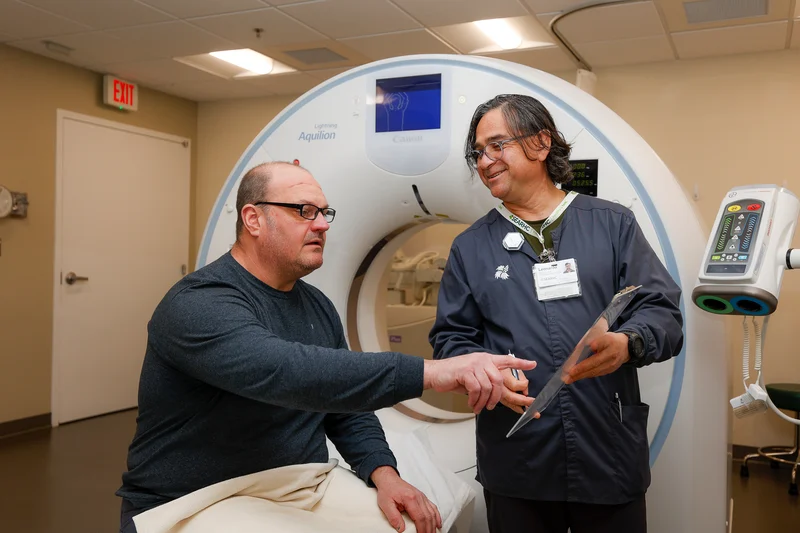
Our Emergency Departments offer on-site X-rays, CT scans, EKGs, lab work, and other advanced diagnostic services. These tests help providers quickly identify the cause of symptoms and guide treatment decisions.

5

Stabilization and Transfer

If a patient requires care beyond what we can provide locally, we stabilize them and coordinate a safe transfer to a higher-level hospital. This ensures they receive the specialized care they need as quickly as possible.

6

Follow-Up and Discharge Planning

Before leaving the Emergency Department, patients and families receive clear instructions for home care and follow-up. Our team helps connect patients with primary care providers or specialists to continue recovery safely.

Emergency Transport

Patients arriving by ambulance or air ambulance are brought directly to the Emergency Department for immediate evaluation and care. Our staff provides critical treatment en route and ensure a smooth handoff upon arrival. Families can be assured that their loved one is prioritized as soon as they reach the hospital. These transport teams work closely with hospital patients in the Emergency Department are seen based on the severity of their condition, not the order in which they arrive. Triage ensures that everyone receives the care they need in the safest and most efficient way possible.

Wait Times

Patients in the Emergency Department are seen based on the severity of their condition, not the order in which they arrive. Life-threatening emergencies are always prioritized first, while patients with less urgent conditions may need to wait. Triage ensures that everyone receives the care they need in the safest and most efficient way possible.

What to Bring

Photo ID

Patient’s insurance card

List of medications

Important medical documents

Comfort items

Phone charger

Blanket

Change of clothes

Helpful Info for Loved Ones

ER vs. Urgent Care: Know When to Go

Not every medical situation requires a trip to the Emergency Department. Understanding the difference between urgent care and the ER can help you get the right care at the right time.

Go to the Emergency Department if you or your loved one is experiencing:

  • Chest pain, pressure, or shortness of breath
  • Severe or uncontrolled bleeding
  • Head, neck, or spinal injuries
  • Loss of consciousness, sudden weakness, or stroke-like symptoms
  • Seizures, severe allergic reactions, or poisoning
  • Any condition that could be life-threatening

Consider urgent care for:

  • Minor cuts or burns
  • Sprains or minor fractures
  • Mild fevers or infections
  • Minor illnesses that need same-day attention but are not life-threatening

Learn more about SEARHC Urgent Care here


When in doubt, it’s safest to choose the Emergency Department. Our team is ready around the clock to quickly assess and care for serious injuries and illnesses.

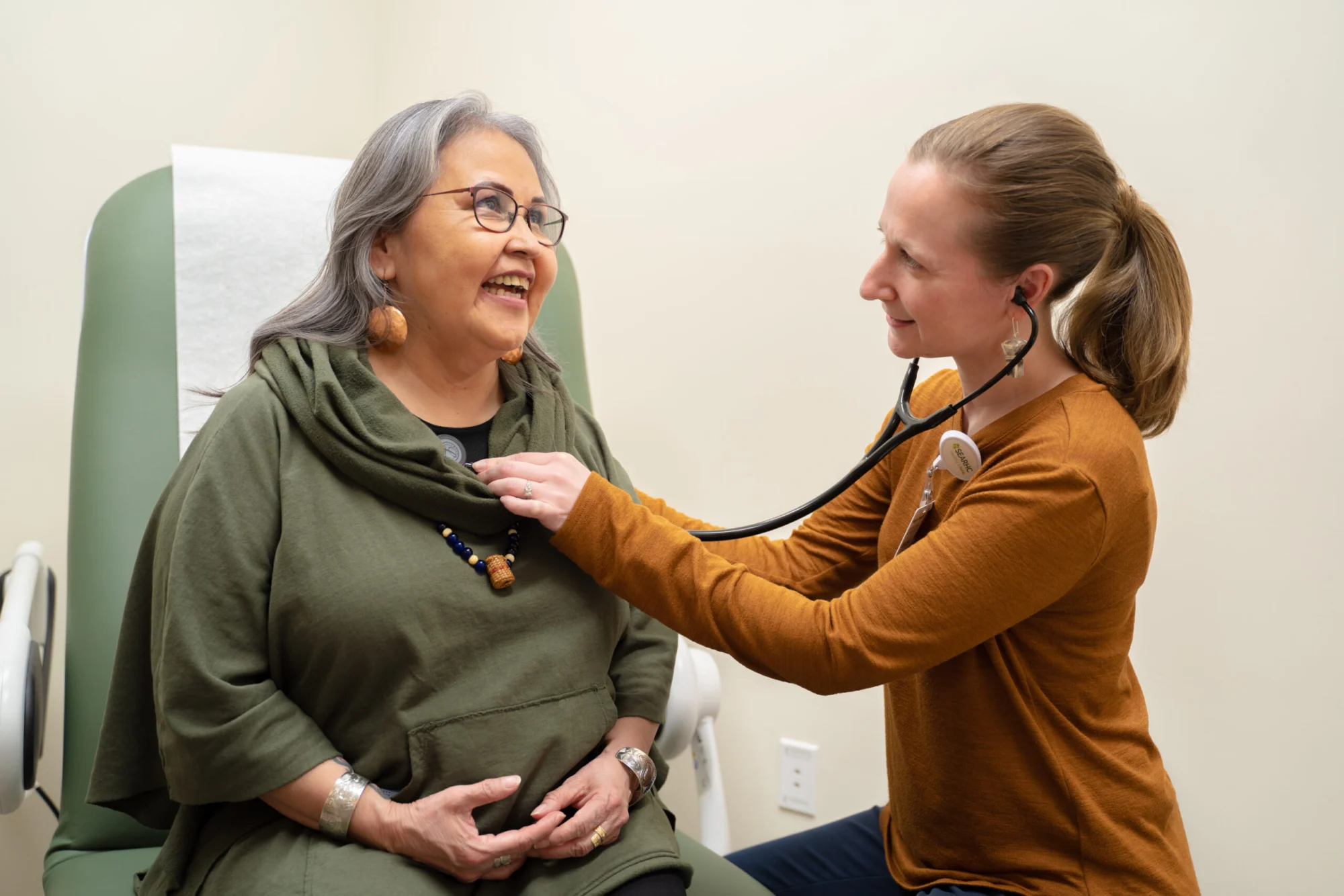
A medical professional uses a stethoscope to examine a smiling patient in a clinic.

Ensuring Your Loved One Is in Safe Hands: Critical Access to Complex Care

SEARHC’s Emergency Departments in Sitka and Wrangell are designated Critical Access Hospitals (CAHs), small facilities designed to improve access to care for rural communities. As CAHs, they provide 24/7 emergency services, short-term inpatient care, and stabilization for serious illnesses or injuries. When a patient requires care beyond what a CAH can provide, they are stabilized and safely transferred to a larger facility for specialized or complex treatment.


Possible destinations include:

  • Level I or II Trauma Centers
    For severe injuries such as major head trauma, complex fractures, or multi-system trauma requiring 24/7 surgical specialists.
  • Tertiary or Quaternary Hospitals
    For specialized care such as advanced cardiac procedures, neurosurgery, complex surgeries, or intensive care beyond the CAH’s capabilities.
  • Regional Referral Hospitals
    Nearby urban or regional hospitals with broader diagnostic services, specialty care, or inpatient capacity.


In Alaska, a patient stabilized at SEARHC’s Sitka or Wrangell Emergency Department might be transferred to Anchorage, Juneau, or another facility with higher-level trauma or specialty care, depending on the patient’s needs and availability of services. Our goal at every step is to provide safe, compassionate care and to keep families updated and reassured.


Frequently Asked Questions (FAQ)

Helpful Resources

Guidance, news, and support for your whole health.

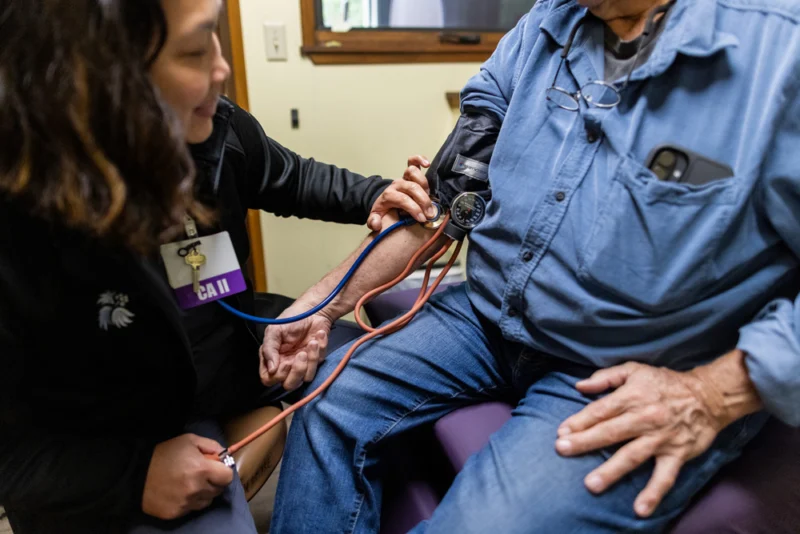
A healthcare worker with an ID badge is taking an older man's blood pressure with a cuff and stethoscope.

MySEARHC

Learn more about MySEARHC.

A smiling man in a dark cap and vest cuts a rope with a knife, standing in front of a white boat named "ORACLE" in a boatyard.

Patient Resources

Learn more about patient resources available with SEARHC.

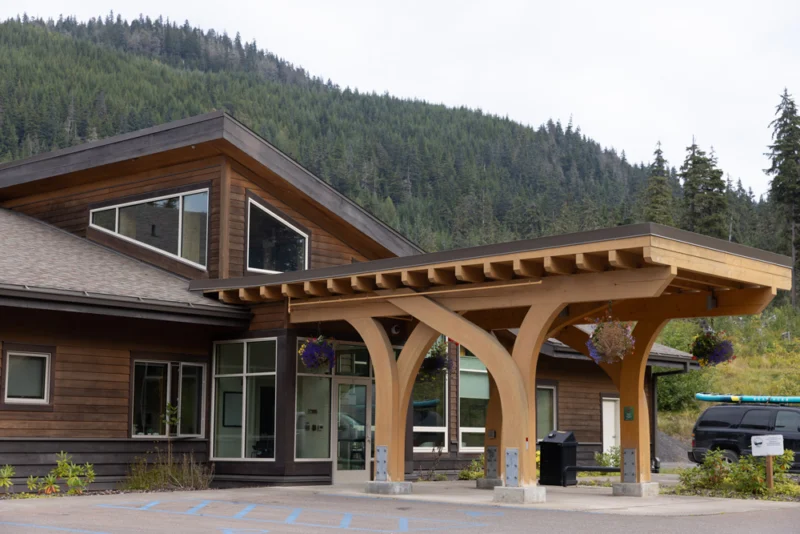
A modern wooden building with a large, light-colored timber entrance and unique windows, backed by a dense green forested mountain under an overcast sky. A black SUV with a kayak is parked nearby.

Communities We Serve

View communities served by SEARHC.