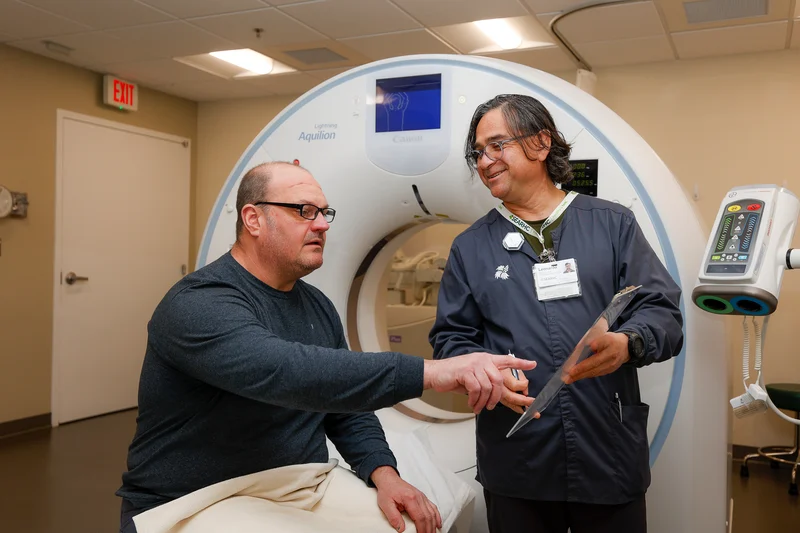
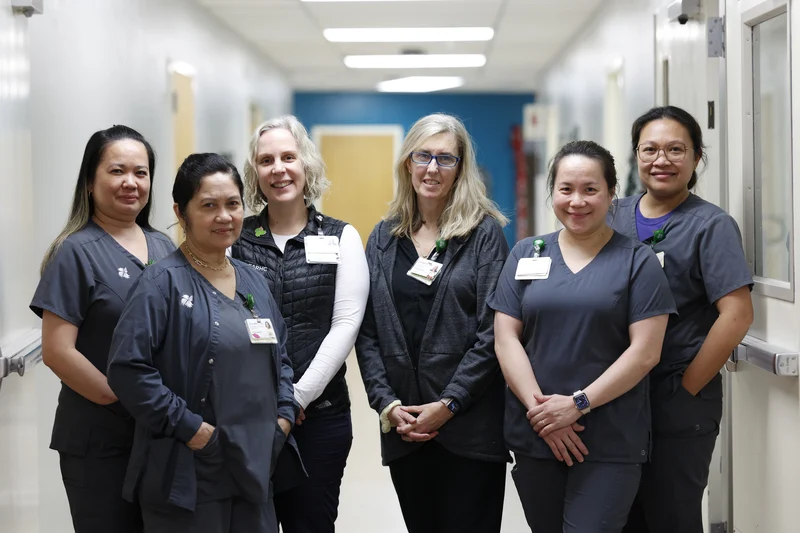
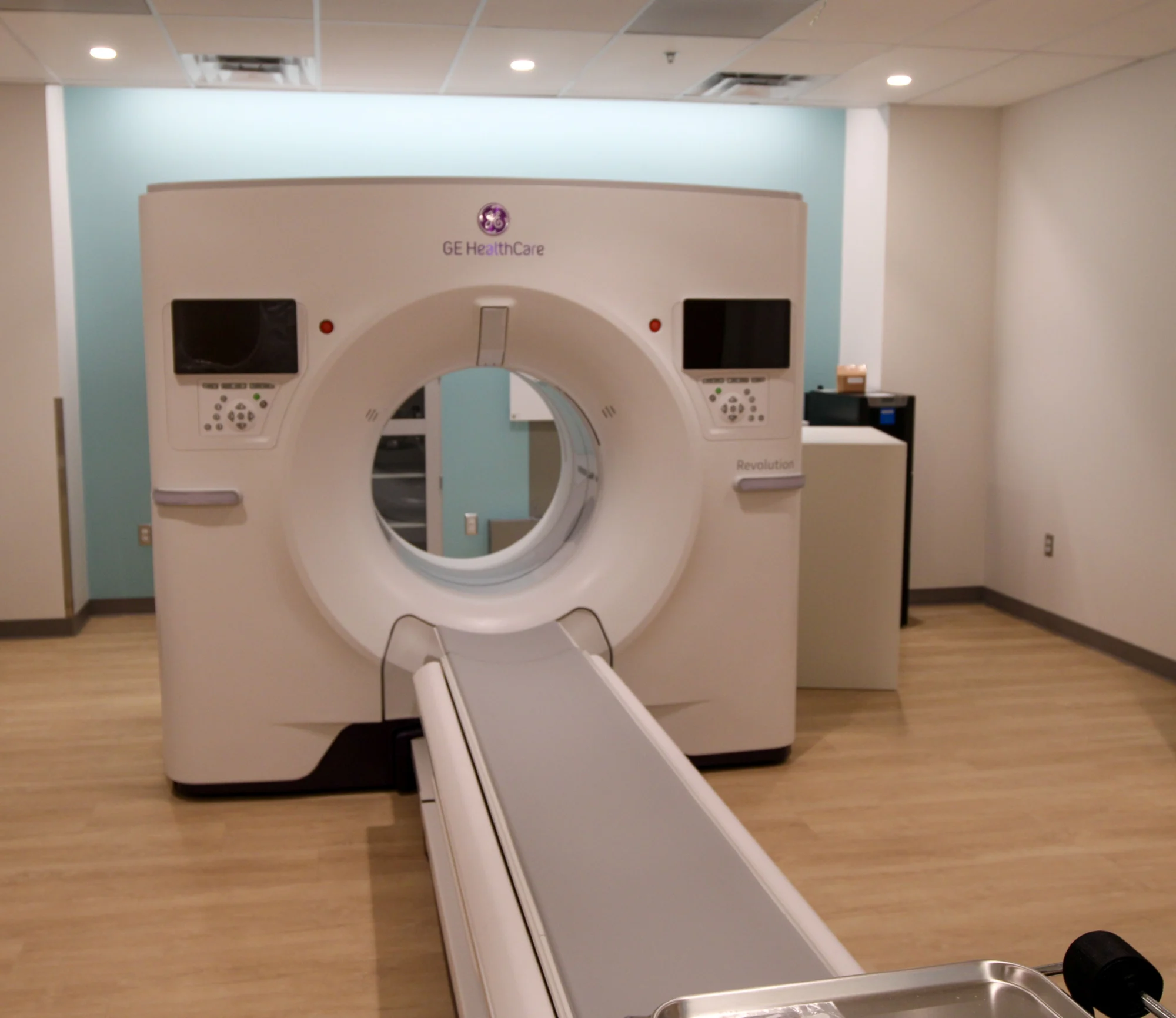
SEARHC provides advanced Computed Tomography (CT) imaging services, offering precise diagnostic insights in urgent, complex or routine cases. Our experienced technologists and radiologists use state-of-the-art tools to generate detailed images that help guide accurate diagnoses and effective treatment plans.
Advanced Technology
We are committed to bringing advanced imaging technologies to patients and providers throughout Southeast Alaska.
- CT scans use a series of x-ray images taken from multiple angles and computer processing to create cross-sectional images of bones, blood vessels, and soft tissues.
- CT technology supports faster, more accurate diagnoses for trauma, stroke, cancer, and internal organ conditions.
- CT imaging is often used in emergency settings, as well as for routine screenings and follow-up care.
- Our equipment delivers high-resolution images with reduced radiation exposure, prioritizing both patient safety and diagnostic accuracy.
What is a CT Scan?
A CT scan is a non-invasive imaging test that uses a combination of x-rays and advanced computer processing to create detailed images of your body’s internal structures.
CT scans are especially helpful for:
- Detecting internal bleeding or traumatic injuries
- Evaluating tumors, infections or abnormal growths
- Guiding biopsies and other minimally invasive procedures
- Monitoring treatment effectiveness for certain cancers
- Diagnosing vascular diseases, such as aneurysms or clots
Who Might Need a CT Scan?
CT scans may be recommended by your healthcare provider if you:
- Have sustained an injury, especially to the head, chest or abdomen
- Experience symptoms like unexplained pain, dizziness or shortness of breath
- Are undergoing cancer diagnosis or follow-up care
- Need detailed imaging of organs like the lungs, liver, kidneys or pancreas
- Require vascular imaging (e.g., CT angiography)
- Have a known condition that needs ongoing monitoring
CT scans are fast, effective and widely used for both emergency diagnostics and scheduled assessments. Your provider will determine if CT is the best option based on your symptoms and health history.
Accessible, Expert Imaging
SEARHC provides CT imaging services at multiple imaging locations across Southeast Alaska. Our experienced technologists and radiologists use high-quality equipment and rigorous protocols to ensure clear images, quick turnaround, and accurate diagnoses.
Referring a patient? You have options.
SEARHC is pleased to partner with independent physicians in providing diagnostics imaging services to their patients. The SEARHC Imaging Order Guide is designed to help physicians prescribe and order the patient tests and includes indications and recommendations to consider as well as CPT codes.
- Providers without access to SEARHC’s Electronic Medical Record (EMR): Download and complete the Imaging Request Form. Submit the completed form with supporting clinical documentation/records as directed on the form (preferred) or patient can hand carry.
Hand carried the orders can be given to their PCP or Imaging team; the ordering provider will need to be credentialled by the MSO and have access before we can enter the order in the system and perform the exam.
- Providers with access to SEARHC’s EMR: From the EMR, providers may send signed orders. This will include current progress notes, imaging reports, or any other relevant documentation.

FAQs: What You Need to Know
- Do I need a referral for a CT scan?
Yes, a referral from your healthcare provider is required to schedule a CT scan.
- Is a CT scan safe?
Yes. CT scans are considered safe when medically necessary. Your provider will weigh the benefits before recommending this test.
- How long does a CT scan take?
Most CT scans take 10–30 minutes, depending on the area being examined.
- Will I feel anything during the scan?
No. CT scans are painless. You may receive contrast dye through an IV for certain scans—your care team will explain this process.
- Can a CT scan be used to screen for lung cancer?
Yes. A special type of CT scan—called a low-dose CT (LDCT)—is used to screen for lung cancer in people at high risk. This includes individuals aged 50–80 with a significant smoking history, even if they have no symptoms. LDCT scans can detect lung cancer early, when treatment is most effective. Talk to your provider to see if you meet the criteria for lung cancer screening.