Nutrition and Brain Health
How healthy is your brain? It’s a question we all ask ourselves as we age or see loved ones affected by memory loss. The MIND diet — short for Mediterranean-DASH Intervention for Neurodegenerative Delay — is a way of eating that has been shown to reduce the risk of neurodegenerative diseases such as Alzheimer’s and Parkinson’s. Don’t get caught up in the scientific terminology; think of the MIND diet as a flexible, flavorful way of eating that focuses on brain-loving foods.
Let’s talk about cognitive decline for a second. Cognitive function includes memory, attention and logical thinking — all essential for everyday life. Impairments in these areas can dramatically affect quality of life and independence. Alarmingly, about 50 million people worldwide are living with some form of dementia, and women are at higher risk than men. The good news? Many studies have shown that diet plays a huge role in our risk for developing neurodegenerative disease. And it’s never too late to start.
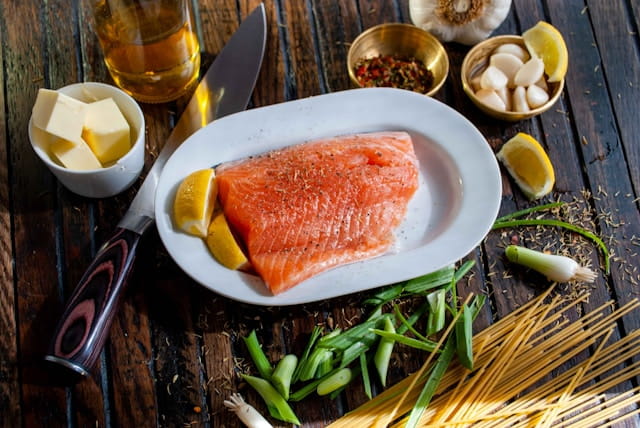
Ever hear of the Mediterranean diet or the DASH diet? The MIND diet combines the two. It emphasizes green leafy vegetables, berries, nuts, olive oil, whole grains, fish, beans and poultry and encourages people to limit red meat, butter, cheese, pastries and fried foods. Remember — changing the way you eat is all about addition, not restriction! There is always room in a healthy diet to eat the foods you really love. The idea is to increase the intake of foods shown to protect and nourish the brain, even if only through small, gradual changes.
Why MIND Diet?
What makes the MIND diet so effective is its focus on foods that fight inflammation and oxidative stress. All plants are great for your overall health, but the MIND diet specifically highlights those that have been shown to be really, really good for brain health. Kale (grows really well in Southeast Alaska), berries (what would summer be in Alaska without them?), and beans (cost-effective and tasty) are full of vitamins, antioxidants and anti-inflammatory compounds that help the brain repair itself and function optimally. Healthy fats — like those found in nuts and olive oil—help keep blood vessels clear, ensuring the brain gets the oxygen and nutrients it needs, and is able to move out harmful substances, like plaques, that it doesn’t.
Antioxidants, like what you find in kale and blueberries, counteract inflammation that happens in our bodies and protect brain cell membranes from damage Vitamin K, which is plentiful in kale, helps us produce “sphingolipids,” a type of fat that makes up a significant portion of brain cell membranes. This is really important! Cell membranes get damaged through activities they do all the time naturally. Having a good supply of this type of fat is needed to plug all those holes in brain cell membranes and keep them functioning well. Think about it: Suppose you have a boat, and your job is to deliver goods across a lake. If you have a leaky boat, do you spend time doing your job, or do you spend time bailing water out of your boat and occasionally paddle? If you even reach the other side of the lake, you’re probably completely out of energy. It’s the same with our brain cells — strong, well-nourished cells can do their jobs more effectively.
The MIND diet also supports brain health through nutrients like folate, lutein and zeaxanthin. These help with everything from neurotransmitter production (those “feel-good” chemicals like dopamine and serotonin) to maintaining healthy blood pressure and reducing the risk of stroke. And potassium, found in foods like bananas, helps maintain the electrical charge of cells, allowing neurons to fire and communicate with each other.
Supporting your brain doesn’t have to mean a complete overhaul of your eating habits. As the MIND diet teaches, small shifts—like swapping butter for olive oil, adding a handful of leafy greens to your lunch, or reaching for a bowl of berries instead of a pastry — can add up to big changes over time. Your brain is your most important organ — nourish it well, and it will serve you for years to come.
Like what you are reading? Want to discuss more? Make an appointment with one of SEARHC’s registered dietitians! Call or text 907.463.4016, or email nutritionservices@searhc.org today.