
So, you want to learn more about nutrition. Maybe your provider recommended nutrition counseling for a condition, maybe you hit the gym and want a macro breakdown, maybe you want to put more thought into your habits, the possibilities are endless! With so much information available at our fingertips, it can be hard to find credible information and the right person to explain it. So, who do you turn to?
Nutritionist
Mirriam-Webster defines a nutritionist as “a specialist in the study of nutrition.” But what defines a “specialist”? Nutritionist is a title, but there are no requirements or regulations about who can and can’t use it. A nutritionist may have a formal education in nutrition, but there is no rule that they must. They are not recognized as healthcare professionals and aren’t typically covered by insurance. Your neighbor, your old college roommate, that one content creator? They can all call themselves nutritionists regardless of how much nutrition knowledge they actually have. That’s not to say some nutritionists aren’t knowledgeable, but don’t be afraid to question the qualifications of someone who calls themselves a nutritionist.
RDN: Registered Dietitian Nutritionist
All Registered Dietitian Nutritionists (RDNs) are nutritionists, but not all nutritionists are RDNs. To earn the legally protected title of RDN, one must do the following: 1) Complete a minimum of a Master’s degree and coursework through an Accreditation Council for Education in Nutrition and Dietetics (ACEND) accredited program, 2) complete required supervised practice through an ACEND accredited program, and 3) pass a national exam. To maintain the title, they also must meet continuing education requirements.
RDNs can also earn specialty credentials in areas such as (but not limited to) pediatric nutrition, digestive health and sports dietetics. RDNs are food and nutrition experts who can provide evidence-based Medical Nutrition Therapy, are considered healthcare professionals, and can be covered by insurance. Nutrition counseling isn’t all that they do, either—they can also work in community programs, complete scientific research, manage school foodservice operations, advocate for public policy and more. You may also see the abbreviation “RD” (Registered Dietitian); the RD and RDN credentials have identical legal definitions and providers can choose whichever they prefer.
LDN: Licensed Dietitian Nutritionist
Why do some RDNs have “LDN” next to their name as well? All Licensed Dietitian Nutritionists (LDNs) are RDNs, but not all RDNs are LDNs. The RDN credential is valid at the national level, but some states have additional regulations for practice and require providers to maintain a license. To acquire a dietitian license, providers must present verification of their RDN credentials.
NDTR: Nutrition and Dietetics Technicians, Registered
Nutrition and Dietetics Technicians, Registered (NDTRs) work under the supervision of RDNs. To earn the legally protected title of NDTR, one must do the following: 1) Complete an Associate degree and an ACEND Accredited Dietetic Technician Program OR complete a Bachelor’s degree through an ACEND accredited program, and 2) pass a national exam. To maintain the title, they must meet continuing education requirements. NDTRs can work in the same settings as RDNs, often helping to manage workload and ensure quality care. This can include assisting with Medical Nutrition Therapy, developing public nutrition classes, performing nutrient analyses, and more. Similarly to RD vs. RDN, NDTRs can also be referred to as “DTRs” (Dietetic Technicians, Registered) as both have the same legal definition.
So, Who Do I See?
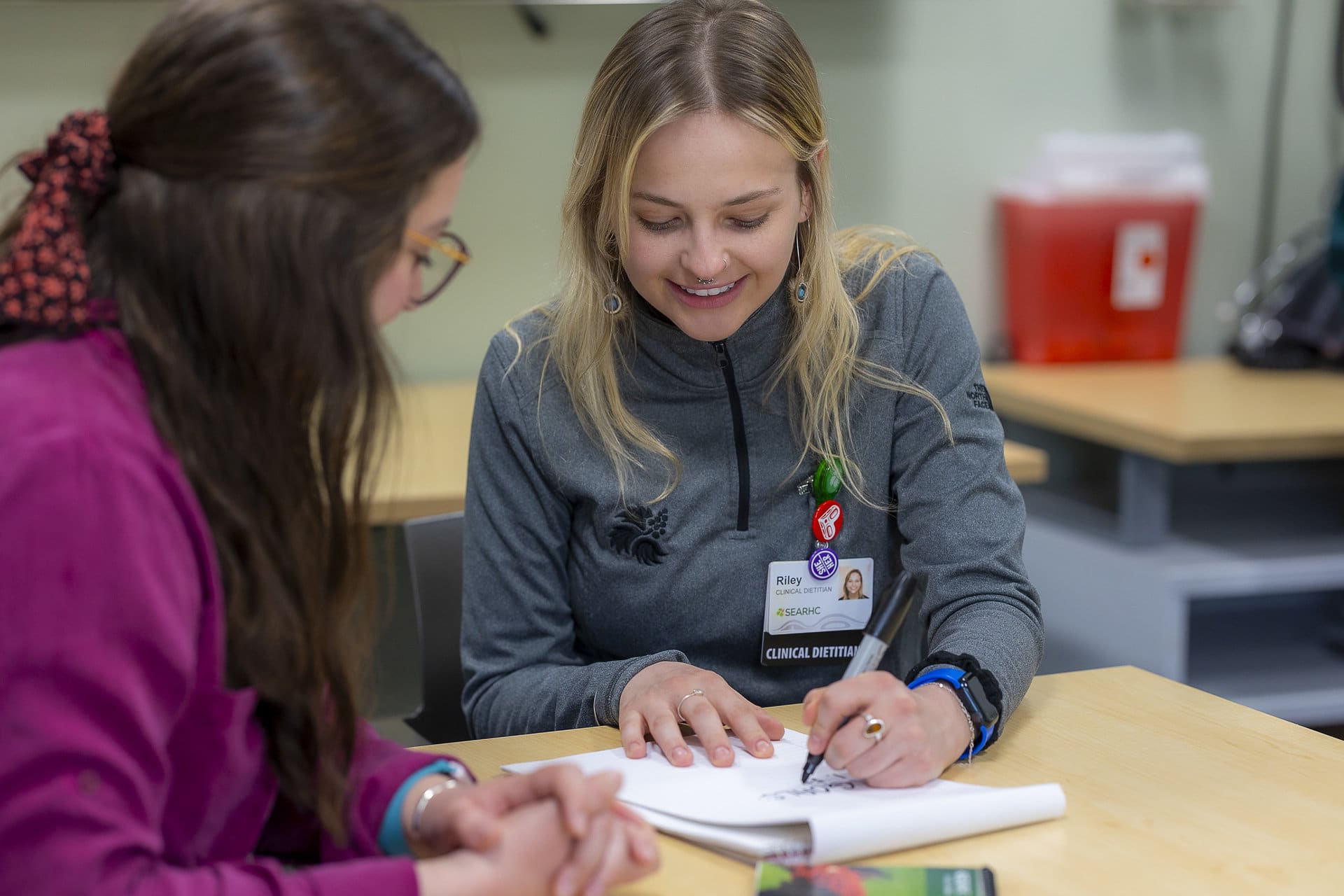
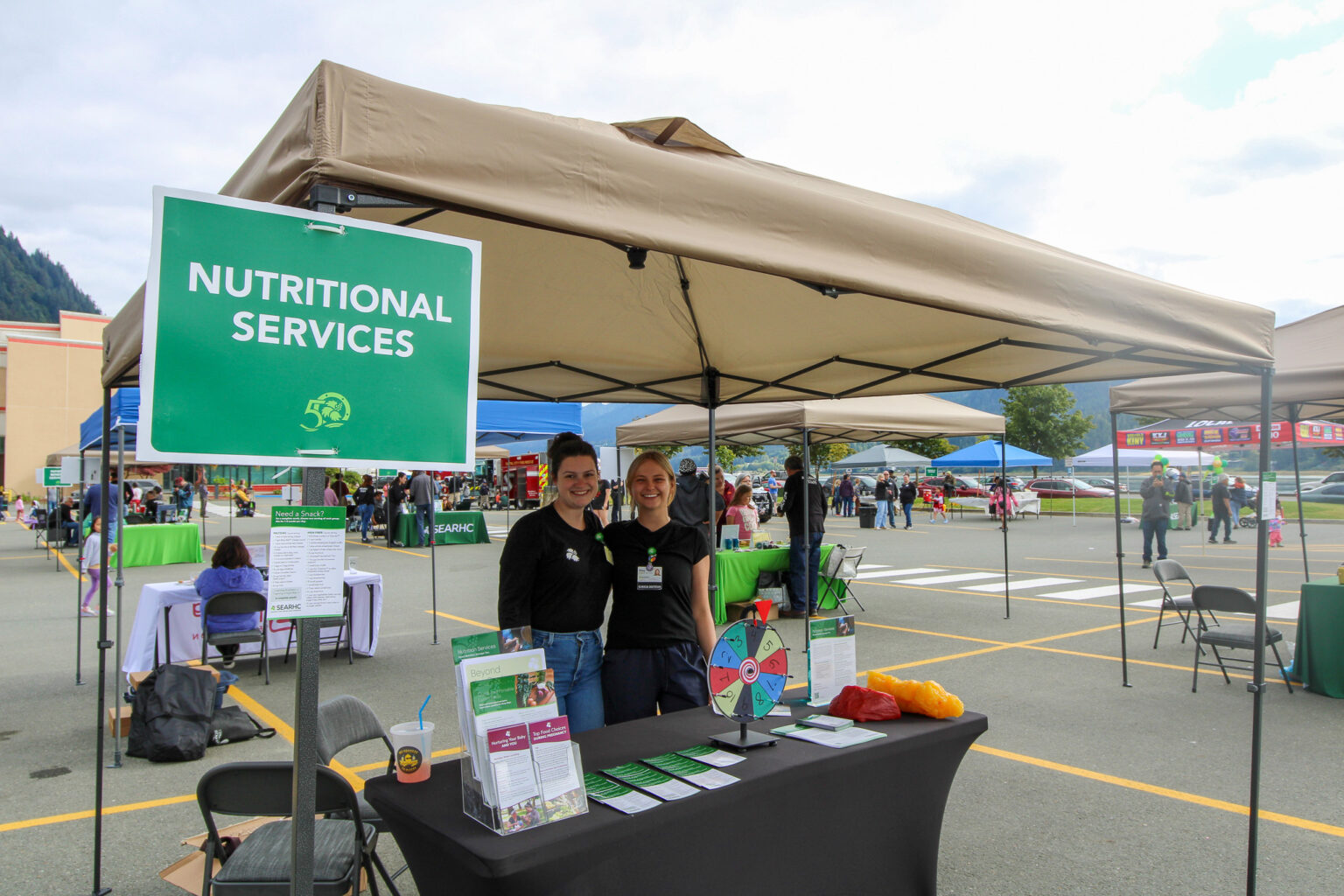
To ensure you are getting the best evidence-based advice from a professional in the field of nutrition, an RDN is the way to go. SEARHC has an amazing team of Registered (and licensed) Dietitian Nutritionists, including an RDN with specialty certifications in diabetes care and prenatal nutrition. Our RDNs provide individualized Medical Nutrition Therapy for a wide range of health conditions as well as general nutrition counseling and are here to support you every step of the way. For more information: talk to your provider about a referral, call or text 907.463.4016, or email nutritionservices@searhc.org.