










Low Data Mode Active

Why Beans are the Real Super Food

“Beans, beans—the musical fruit!
The more you eat, the more you …”
 

Most of us are familiar with how that old adage ends. Usually when we think about beans, we think about the gas that they produce in our digestive system, which is an unfortunate deterrent to eating them. However, you might be surprised to learn just how nutritious beans are—and why you should be eating more of them. 

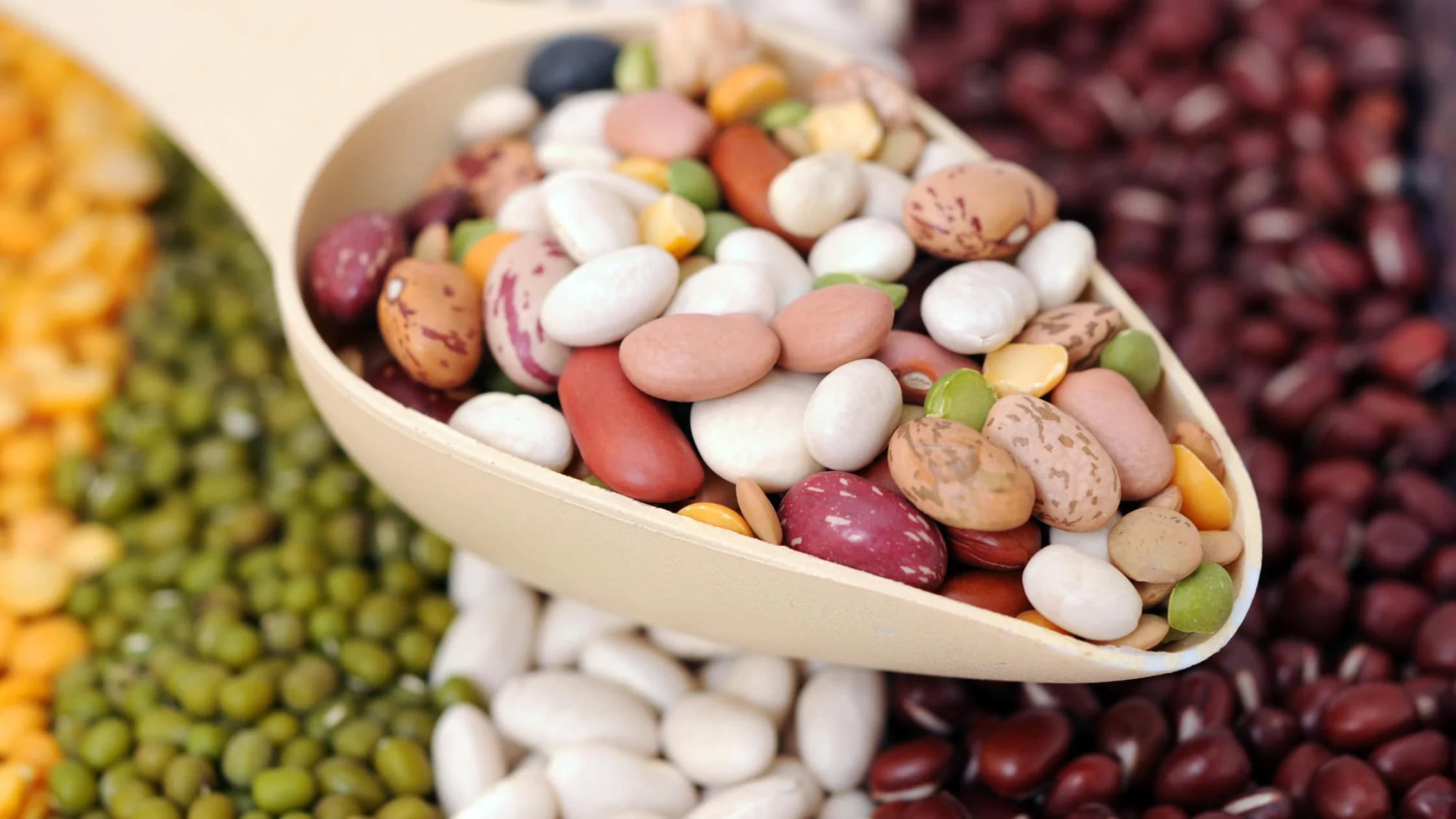
Beans are the edible seeds that grow within pods, also known as “legumes” or “pulses.” Kidney beans, cannellini beans, Great Northern beans, navy beans, fava beans, cranberry beans, black beans, pinto beans, soy beans, black-eyed peas, chickpeas and lentils are just a few types. 

Let’s get into the nitty-gritty: 

  1. The nutrition that beans provide is ridiculously good. Think fiber, lean protein, high-quality carbohydrate, B vitamins, iron, copper, magnesium, manganese, zinc, potassium and phosphorous. Beans are also naturally low in fat and virtually free of saturated fat. One serving, which is one-half cup, delivers roughly 115 calories, 15 grams of carbohydrate,  seven to nine grams of fiber, eight grams of protein and one gram of fat. 
  2. Regular consumption of beans has been shown to improve many chronic health conditions. Because of the high amount of fiber beans provide, they score pretty low on the glycemic index, which can help those with diabetes or prediabetes better regulate their blood sugar levels. All that fiber also is key in lowering total cholesterol and LDL (your “lousy” cholesterol), and helps keep you feeling full longer, possibly contributing to weight loss. The high levels of potassium and magnesium found in beans can also help lower blood pressure.  

A curious thing happens when we eat beans. Much of that fiber found in these tiny powerhouses actually passes through us, because human beings don’t have the enzymes needed to digest fiber. But guess what? Microbes that are living in our digestive systems DO have the ability to digest it. When they digest fiber, they produce their own hormones and other messengers, which interact with our bodies to reduce inflammation. This is great news for disease treatment and prevention! 

  1. Beans are common in every Blue Zone. There are several areas around the world known as “Blue Zones” whose inhabitants seem to live a very long time (Okinawa, Japan, currently has the densest population of people over 100 years old). The reasons for longevity are many, but diet certainly plays a crucial role. The diets of the Blue Zone differ from each other, but one common element is beans. That isn’t a coincidence! 
  2. Cheap and easy to get. Here in Southeast Alaska, where a gallon of milk has been known to hit double digits in dollar amount, a can of beans (14 oz) generally runs less than $2. And while eggs, meat and milk supply can sometimes be strained, beans are shelf-stable and consistently available. 
  3. Delicious! There is no shortage of recipes that can be improved in flavor, texture and nutrition by simply adding beans. Use beans to easily enhance your soups, stews, casseroles and salads, or even enjoy them as a side dish. 

Community Wellness

This blog post was brought to you by the Community Wellness team. The SEARHC Community Wellness department encompasses nutrition, health education, WISEWOMAN women’s health, tobacco cessation and more.

The views and opinions expressed on the Wellness & Wisdom Blog belong to the author(s) and do not necessarily reflect the opinions of SouthEast Alaska Regional Health Consortium. The Wellness & Wisdom Blog is not intended to be a substitute for professional medical advice, diagnosis or treatment. Always seek the advice of your physician or other qualified healthcare provider with any questions you may have regarding a medical condition.


Latest Posts

View All Posts
The Power of Nutrition: Micronutrients That Keep Us Healthy and How to Get Them
Healthy Lifestyle · Nutrition

The Power of Nutrition: Micronutrients That Keep Us Healthy and How to Get Them

Nutrients—substances that promote growth, energy and life—come in two main categories: macronutrients and micronutrients. Macronutrients are the energy nutrients, the ones we need in large quantities. These include carbohydrates, proteins…
Read More
Who You Gonna Call? The Difference between Nutritionists, RDNs, LDNs and NDTRs
Nutrition

Who You Gonna Call? The Difference between Nutritionists, RDNs, LDNs and NDTRs

So, you want to learn more about nutrition. Maybe your provider recommended nutrition counseling for a condition, maybe you hit the gym and want a macro breakdown, maybe you want to put more thought into your habits, the possibilities are…
Read More
The MIND Diet and Neurodegenerative Disease
Nutrition

The MIND Diet and Neurodegenerative Disease

How healthy is your brain? It’s a question we all ask ourselves as we age or see loved ones affected by memory loss. The MIND diet — short for Mediterranean-DASH Intervention for Neurodegenerative Delay — is a way of eating that has been…
Read More