












Healthy Lifestyle · Nutrition
Read More

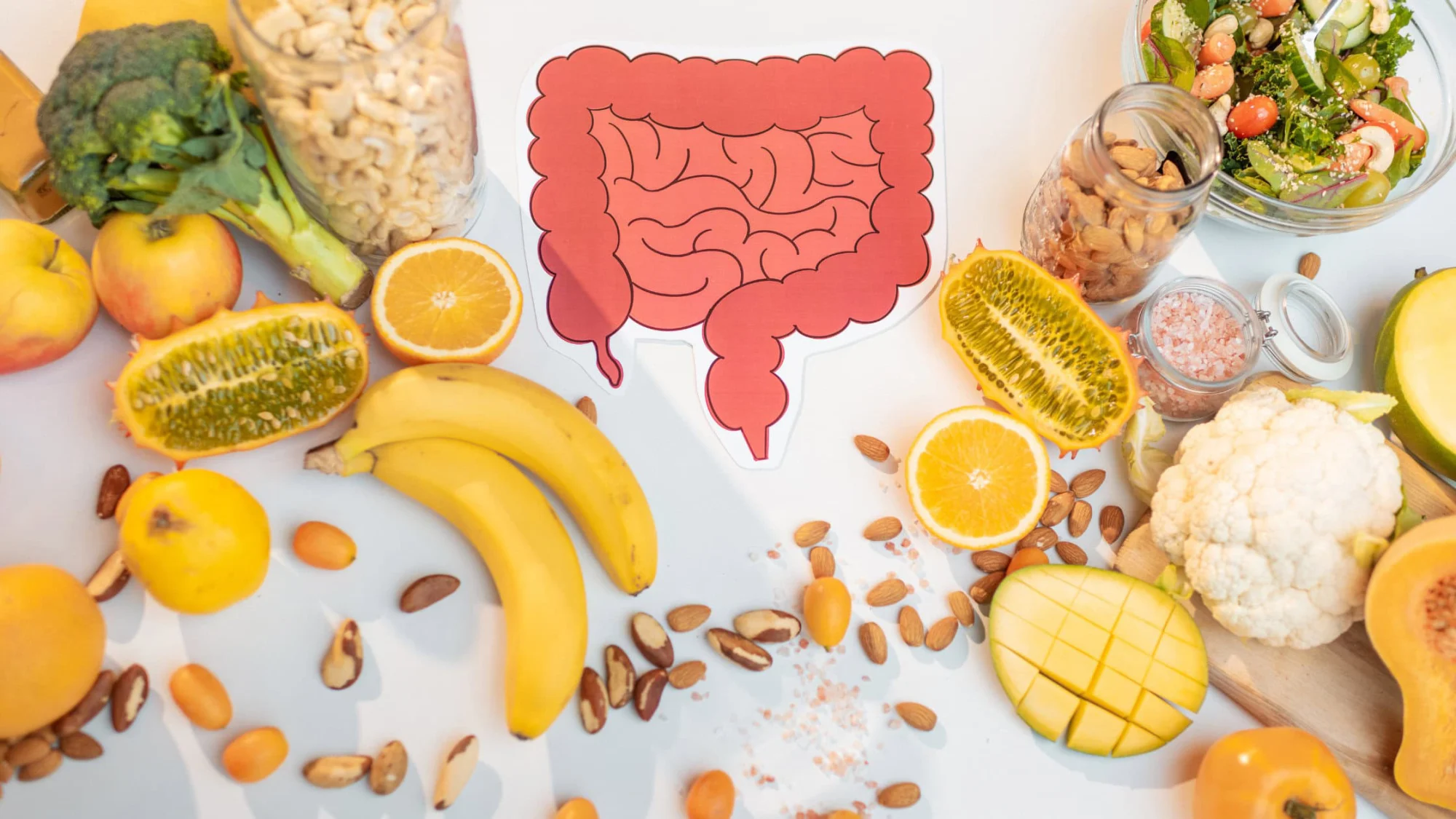
Our gut health plays a pivotal role in our overall well-being, influencing everything from digestion to disease immunity. As we delve into the complexities of gut health, let’s explore how nurturing our gut microbiome can be a foundation for a healthier, happier life.
What is “gut health”?
Your “gut health” refers to the function and balance of microbes within the gastrointestinal tract. This tract is responsible for the body’s ingestion and digestion of food, nutrient absorption and the elimination of waste. A healthy gut contributes to a strong immune system and overall physical and mental well-being.
What is the “gut microbiome?”
Home to trillions of microbes that live in our digestive tract, each person’s gut microbiome houses a unique blend of microbes which play a crucial role in how we process foods and maintain health. With a balanced microbiome, we can best support our body’s functions. But when our microbiome is disrupted, it can lead to various health issues like Crohn’s disease, irritable bowel syndrome (IBS), obesity and even mental health conditions such as depression.
An essential way to promote a healthy gut microbiome is through a diet that is high in fiber.
The Power of Fiber
Fiber is a dietary superhero, aiding in everything from lowering the risk of chronic diseases like heart disease and type 2 diabetes to supporting digestive regularity. There are two main types of fiber:
Incorporating a variety of fiber-rich foods into your daily diet is crucial. Here’s a to how much fiber you’re recommended to consume on a daily basis, based on age and gender. As always, consult with a physician regarding your specific needs:
Source: Dietary Guidelines for Americans, 2020-2025 and Online Materials | Dietary Guidelines for Americans
Probiotics: The Good Bugs
Probiotics are live bacteria that help maintain a healthy balance in our gut microbiome, and are critical to helping us get back on track after disruptions like illness or antibiotic use. Incorporating natural probiotic sources such as yogurt, kefir and fermented foods like sauerkraut and kimchi into your diet can be beneficial. For optimal results, consider taking probiotics at night when gut activity is higher, and consult with a Registered Dietitian to choose the best probiotics for your specific needs.
Locally Foraged Fiber-Rich Foods
In Southeast Alaska, we are fortunate to have access to a variety of locally foraged, fiber-rich foods that can enhance our gut health. Blueberries and salmonberries, plus seaweed, beach asparagus, fireweed shoots, fiddleheads, rhubarb and rose hips are all excellent sources of fiber and can be easily incorporated into your diet. Check out our Traditional Foods Guide for harvesting and preservation tips specific to locally found foods in Southeast Alaska .
A Healthy Gut, A Happier Life
Taking steps to support your gut health can lead to profound benefits in your overall health. By focusing on fiber-rich foods, incorporating probiotics and embracing locally foraged options, you can nurture your gut and, in turn, nurture your entire body.

This blog post was brought to you by the Community Wellness team. The SEARHC Community Wellness department encompasses nutrition, health education, WISEWOMAN women’s health, tobacco cessation and more.
The views and opinions expressed on the Wellness & Wisdom Blog belong to the author(s) and do not necessarily reflect the opinions of SouthEast Alaska Regional Health Consortium. The Wellness & Wisdom Blog is not intended to be a substitute for professional medical advice, diagnosis or treatment. Always seek the advice of your physician or other qualified healthcare provider with any questions you may have regarding a medical condition.