




Healthy Lifestyle · Nutrition
Read More

If you have not yet heard media headlines and stories referencing the medications “Ozempic” or “Mounjaro,” please stand up. Granted, I am writing a blog and can’t actually see into your living rooms where you might be reading this, but I am 99% confident that there are zero people standing right now. Why all the recent media attention? Let’s get into the nitty-gritty behind the hype.
What Are These Medications?
Ozempic and Mounjaro (along with Wegovy, Zepbound, Byetta, Victoza and Trulicity) are in a class of medications called glucagon-like peptide-1 (GLP-1) receptor agonists. These medications were initially developed for the treatment of type 2 diabetes and have been on the market for quite some time. However, you may just now be hearing about them due to a positive side effect that’s making headlines. Controlling blood sugar is correlated with weight loss. As it turns out, blood sugar and weight go hand in hand!
How They Work
The active ingredients are semaglutide (Ozempic, Wegovy) and tirzepatide (Mounjaro, Zepbound). These medications work by imitating the actions of GLP-1, which is a hormone we produce naturally in our intestines. GLP-1 does two things: 1) it causes the pancreas to release more insulin, and 2) it tells the liver to cut down on the amount of glucose it releases. In other words, more insulin + less glucose = better blood sugar control. Medications such as Ozempic and Mounjaro bind to the same receptors in our intestines as GLP-1, which in turn pumps up the actions of GLP-1.
Best Foods to Eat While Taking a GLP-1 Agonist
It’s important to know that these medications also slow the rate at which food leaves the stomach. This decreases your appetite and makes you feel full for longer after each meal. The downside to this is you can have nausea, vomiting, diarrhea and abdominal pain if you eat too much food or the wrong types of food.
How do you avoid these side effects? A good place to start is adopting an eating pattern that includes four to five small meals per day (see the sample meal plan below). This can be a challenge for people who are not already accustomed to this, as it takes planning and persistence! Try eating within one hour of waking for the day, and set alarms to remind yourself to eat every three to four hours during your day. Make sure you bring portable snacks such as whole pieces of fruit and nuts wherever you go. Eating consistently throughout the day ensures better blood sugar control.
As you will likely eat less food while on a GLP-1, it is important to eat healthy foods to meet your nutrient needs. Fortunately, healthy foods are also good for blood sugar control. Every time you eat, you should opt for a source of protein, followed ideally by either a vegetable or fruit.
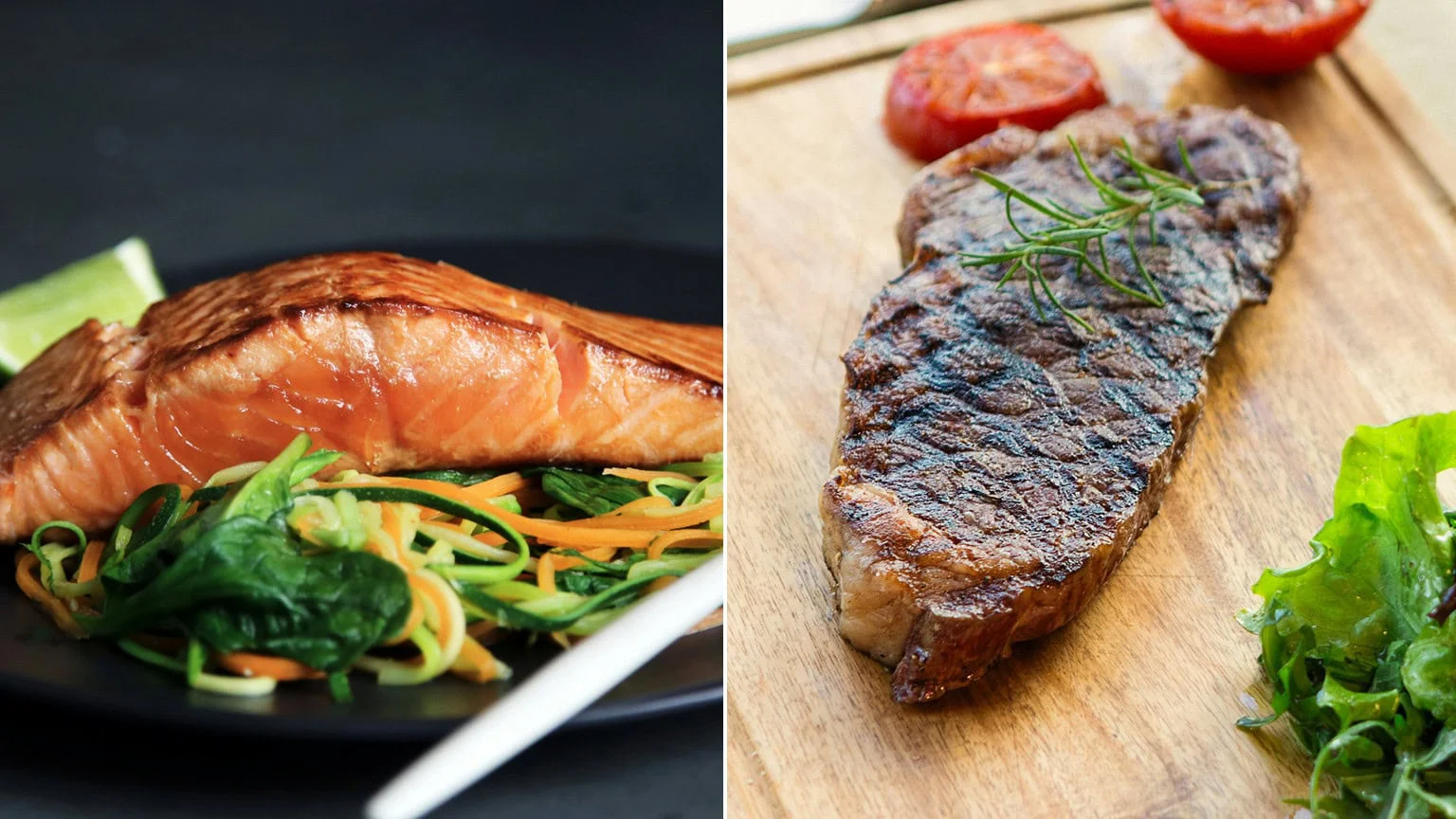
Protein digests more slowly than carbohydrate or fat and thus helps keep you feeling full longer, plus it is essential for good blood sugar control. Most people taking a GLP-1 medication do not eat enough protein! Aim for 2-4 oz of lean protein each time you eat (3 oz of meat is the size of a deck of cards; 4 oz of Greek yogurt is equal to a half of cup). The best options for protein are:
Vegetables and fruits are chock-full of vitamins and essential minerals and help keep you healthy. All vegetables and fruit also contain fiber, another component of food that aids in good blood sugar control. Any type of fruit is fine, but chew fruit with thicker skins very well to avoid indigestion. Aim for at least one piece of whole fruit per day. Cooked vegetables may be easier to digest; chew raw vegetables very well. Enjoy non-starchy vegetables such as broccoli, cauliflower, kale and carrots freely.
Other beneficial foods to include are:
Foods to Reduce While Taking GLP-1
Certain types of foods empty from our stomach more slowly, increase stomach acid or require more work for your pancreas to make digestive enzymes. These foods are more likely to cause adverse side effects:
Serious Side Effects
GLP-1 medications do not usually cause serious side effects, but they can occur in rare cases. Talk to your doctor beforehand about warning symptoms to be aware of, and seek medical attention if you experience any of the following:
If you have difficulty eating enough food to meet your nutrition needs or are suffering frequently from the common side effects of these medications, ask your physician or dietitian.
Sample meal plan while on GLP-1
| Time | Foods |
| 7 am | 2 eggs scrambled with peppers and onions topped with 1/8 avocado + coffee w/ skim milk |
| 10 am | 10 almonds + 1/2 C blueberries |
| 1 pm | Cucumber slices + 1/4 C chicken salad + 1 slice of whole-grain toast + 1/2 C low-fat Greek yogurt + infused water |
| 4 pm | pear + 1/4 C cottage cheese |
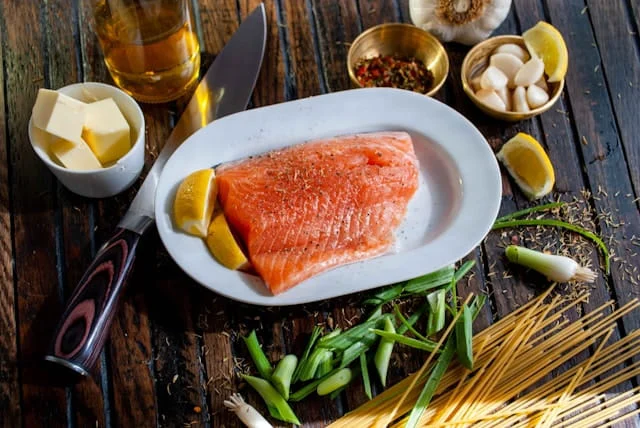
| 6 pm | 3 oz grilled salmon + 1/2 C baked acorn squash + green beans + decaf iced tea w/ lemon |
* Water throughout the day = 64 oz
~1200 calories, 75 grams of protein, 75 net grams of carbohydrate, 45 grams of fat, 24 grams of fiber

This blog post was brought to you by the Community Wellness team. The SEARHC Community Wellness department encompasses nutrition, health education, WISEWOMAN women’s health, tobacco cessation and more.
The views and opinions expressed on the Wellness & Wisdom Blog belong to the author(s) and do not necessarily reflect the opinions of SouthEast Alaska Regional Health Consortium. The Wellness & Wisdom Blog is not intended to be a substitute for professional medical advice, diagnosis or treatment. Always seek the advice of your physician or other qualified healthcare provider with any questions you may have regarding a medical condition.