





Healthy Lifestyle · Nutrition
Read More


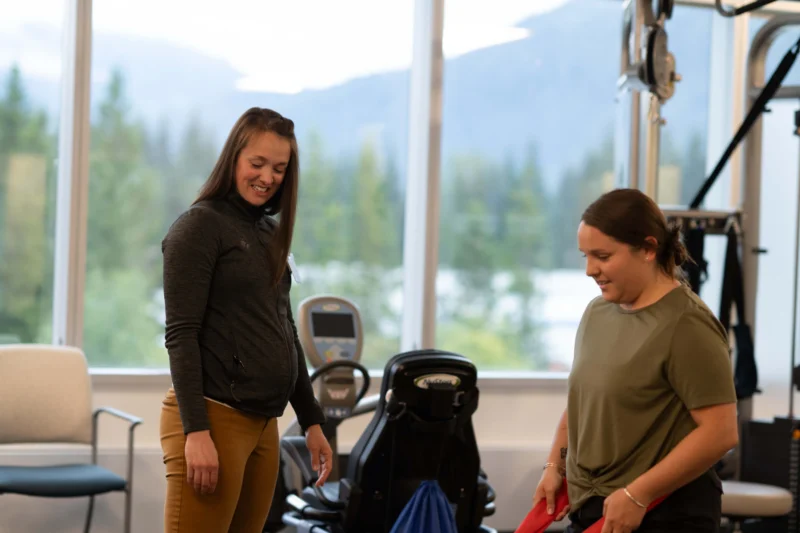
We’re super excited to invite you to the Third Annual Movetober Fitness Program! Movetober is all about revving up your motivation and getting in those active minutes throughout each day. If you’re a healthy adult you should aim for at least 30 minutes of moderate aerobic fun five days a week or crank it up to 20 minutes of vigorous activity three times a week.
But here’s the million-dollar question: Do you really have to sprint, stroll or pump iron to rack up those active minutes? Spoiler alert: Absolutely NOT! Every little movement counts—from berry-picking and floor-mopping to getting your hands dirty in the garden or chasing after the kiddos! So, get moving and have fun!
Those regular activities you tackle each day are sneaky calorie burners. So, remember, every movement counts! Now, don’t just plop down and chill; keep that body moving! Here are some ideas that can help keep your body happy and healthy.
Ultimately, everyone should aim to move more and sit less throughout the day. Any amount of physical activity is better than being inactive. For significant health benefits, the goal for adults is to engage in at least 150 to 300 minutes of moderate intensity exercise each week. But you can reach that number in whatever increment that works for you (even as little as 10 minutes at a time). And if you can try incorporating muscle-strengthening activities (e.g. using light weights or doing push-ups), these exercises offer extra health advantages. For some additional ideas, check out: Don’t Sit, Get Fit – UNM Exercise Science
The moral of this story is that if we move every day, we are doing positive things for our mental and physical health. Activity and exercise do more than decrease your risk of chronic disease – they also help:
If you are interested in joining, learning and moving this October, join our Movetober fitness program, kicking off October 1! It is a FREE five-week program for everyone across Southeast Alaska. Click here for more information: Movetober – SouthEast Alaska Regional Health Consortium – SEARHC

This blog post was brought to you by the Community Wellness team. The SEARHC Community Wellness department encompasses nutrition, health education, WISEWOMAN women’s health, tobacco cessation and more.
The views and opinions expressed on the Wellness & Wisdom Blog belong to the author(s) and do not necessarily reflect the opinions of SouthEast Alaska Regional Health Consortium. The Wellness & Wisdom Blog is not intended to be a substitute for professional medical advice, diagnosis or treatment. Always seek the advice of your physician or other qualified healthcare provider with any questions you may have regarding a medical condition.