











Low Data Mode Active

Why Do We Need to Eat a Colorful Diet?

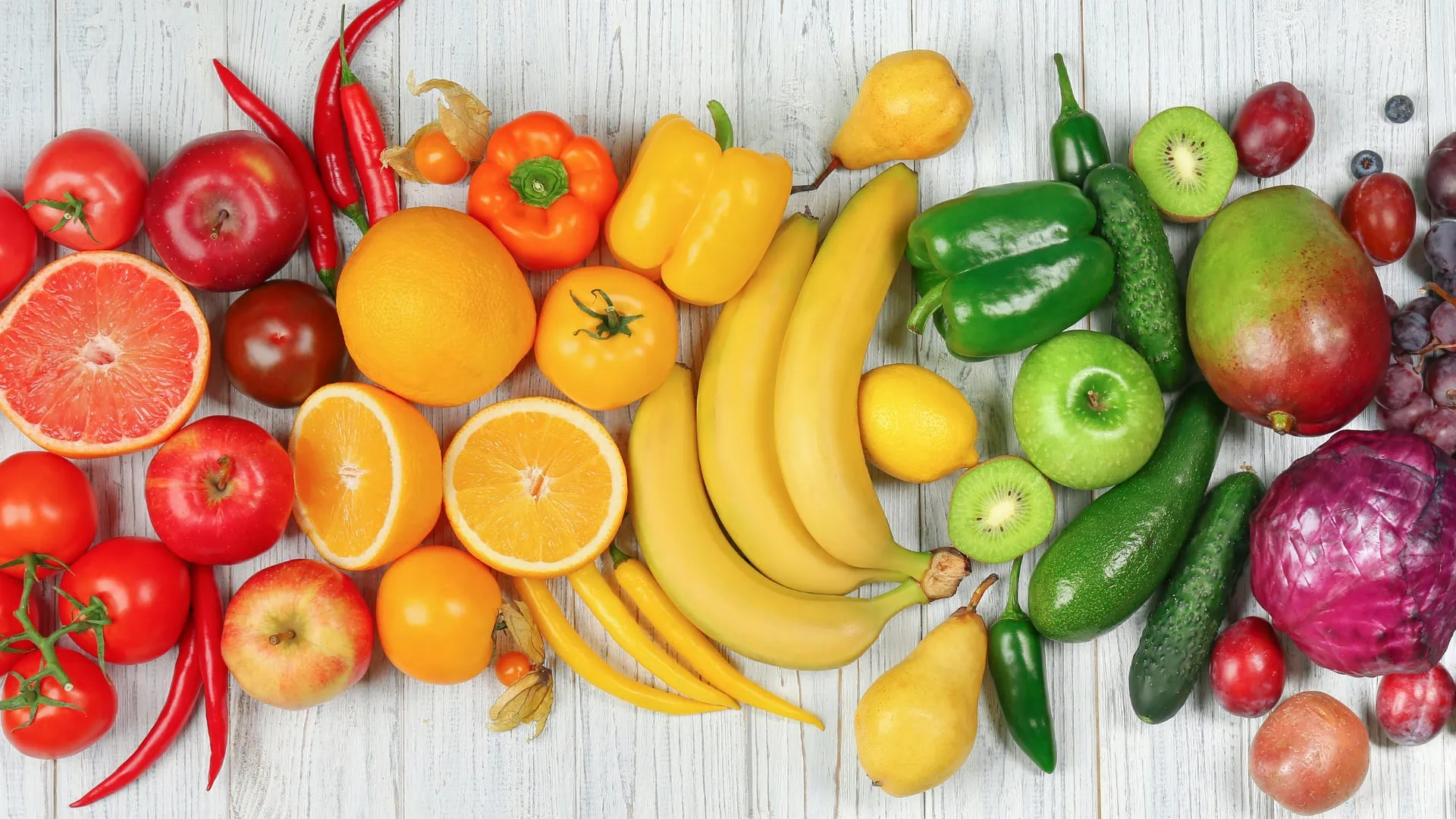
You may have heard that colorful fruits and vegetables contain antioxidants (aka cancer-fighting nutrients) and it’s important to include them in our diet. Walking into a grocery store, you may be overwhelmed trying to decide which fruits and vegetables you should choose. Are there ones that are better than others? Can I eat less of a certain kind and still get all the antioxidants and other nutrients from it? This post is designed to help break it down for you.

According to Harvard Medical School1, in order to reduce your risk of heart disease, stroke, cancer, respiratory disease, and/or death, an individual should consume 4-5 servings of fruits/vegetables per day. A serving of fruit is defined as one medium-sized fruit, ½ cup fresh, frozen, or canned fruit, and/or ½ cup fruit juice. For vegetables – 1 cup raw leafy vegetables, ½ cup raw or cooked vegetables, and/or ½ cup vegetable juice. What are the benefits of eating the rainbow? And what does each color fruit or vegetable provide?


RED – The color results from a phytonutrient called “lycopene.”

  • Foods: Tomato, cherry, watermelon, strawberry, red pepper, radish, raspberry, cranberry, red onion, beet, pomegranate, red grapefruit, blood orange, red chili pepper, red dragon fruit, and more!
  • Nutrients: A good source of: vitamin A, vitamin C, potassium, iron, and packed with antioxidants.
  • Benefits: Reduces the risk of chronic disease, improves gut health, and may reduce blood pressure.


ORANGE/YELLOW – The color results from “alpha-carotene” and “beta-carotene.”

  • Foods: Carrot, pineapple, squash, peach, sweet potato, pumpkin, orange, mango, orange pepper, tangerine, winter squash, persimmon, nectarine, kumquat, apricot, papaya, mandarin, cantaloupe, orange tomato, turmeric, kiwano melon, and more!
  • Nutrients: A good source of vitamin A, vitamin C, and potassium, and packed with antioxidants.
  • Benefits: Boosts your immune system and helps maintain vision.


GREEN – The color results from phytochemicals called “sulforaphane,” “isothiocyanates,” and “indoles.”

  • Foods: Kiwi, green pea, lime, avocado, green apple, honeydew, broccoli, spinach, green cabbage, green bean, cucumber, leafy green, artichoke, lettuce, broccoflower, zucchini, green pepper, green onion, asparagus and more!
  • Nutrients: A good source of vitamin A, vitamin C, vitamin E, vitamin K, potassium, folate, fiber, and tons of antioxidants.
  • Benefits: Aids in blood clotting (vitamin K), helps maintain vision, strong bones, and teeth.


LIGHT GREEN/WHITE – The color results from flavonoids such as “quercetin,” “kaempferol,” and “anthoxanthins.”

  • Foods: Onion, garlic, leek, celery, white asparagus, kohlrabi, white radish, napa cabbage, fennel, turnip, and more!
  • Nutrients: A good source of vitamin B, vitamin C, vitamin E, vitamin K, potassium, magnesium, calcium, and fiber.
  • Benefits: Helps control cholesterol levels and promotes heart health.


BLUE/PURPLE3 – The color results from an antioxidant called “anthocyanin.”

  • Foods: Purple grape, raisin, eggplant, blueberry, ube, fig, purple potato, purple carrot, lavender, passionfruit, plum, purple pepper, beetroot, acai berry, purple corn, prune, blackberry, concord grape, purple sweet potato, and more!
  • Nutrients: A good source of vitamin A, vitamin C, vitamin K, potassium, and calcium.
  • Benefits: Helps reduce inflammation, improves brain and heart health, boosts urinary tract health, and promotes healthy aging.


In order to receive all of the benefits from the rainbow of fruits/vegetables, you should incorporate each color into your diet. How can you do this? Eat a different color for each serving per day, make a colorful salad, or throw a few different colors into a smoothie. Next time you stop at the grocery, try picking out a new color of fruit or vegetables, and let us know how you prepared it.

1 How many fruits and vegetables do we really need? – Harvard Health

3 Purple Vegetables: Why You Should Eat These 10 Powerful Veggies (foodrevolution.org)

Eat a Colorful Diet | RUSH

Community Wellness

This blog post was brought to you by the Community Wellness team. The SEARHC Community Wellness department encompasses nutrition, health education, WISEWOMAN women’s health, tobacco cessation and more.

The views and opinions expressed on the Wellness & Wisdom Blog belong to the author(s) and do not necessarily reflect the opinions of SouthEast Alaska Regional Health Consortium. The Wellness & Wisdom Blog is not intended to be a substitute for professional medical advice, diagnosis or treatment. Always seek the advice of your physician or other qualified healthcare provider with any questions you may have regarding a medical condition.

Latest Posts

View All Posts
The Power of Nutrition: Micronutrients That Keep Us Healthy and How to Get Them
Healthy Lifestyle · Nutrition

The Power of Nutrition: Micronutrients That Keep Us Healthy and How to Get Them

Nutrients—substances that promote growth, energy and life—come in two main categories: macronutrients and micronutrients. Macronutrients are the energy nutrients, the ones we need in large quantities. These include carbohydrates, proteins…
Read More
Who You Gonna Call? The Difference between Nutritionists, RDNs, LDNs and NDTRs
Nutrition

Who You Gonna Call? The Difference between Nutritionists, RDNs, LDNs and NDTRs

So, you want to learn more about nutrition. Maybe your provider recommended nutrition counseling for a condition, maybe you hit the gym and want a macro breakdown, maybe you want to put more thought into your habits, the possibilities are…
Read More
The MIND Diet and Neurodegenerative Disease
Nutrition

The MIND Diet and Neurodegenerative Disease

How healthy is your brain? It’s a question we all ask ourselves as we age or see loved ones affected by memory loss. The MIND diet — short for Mediterranean-DASH Intervention for Neurodegenerative Delay — is a way of eating that has been…
Read More