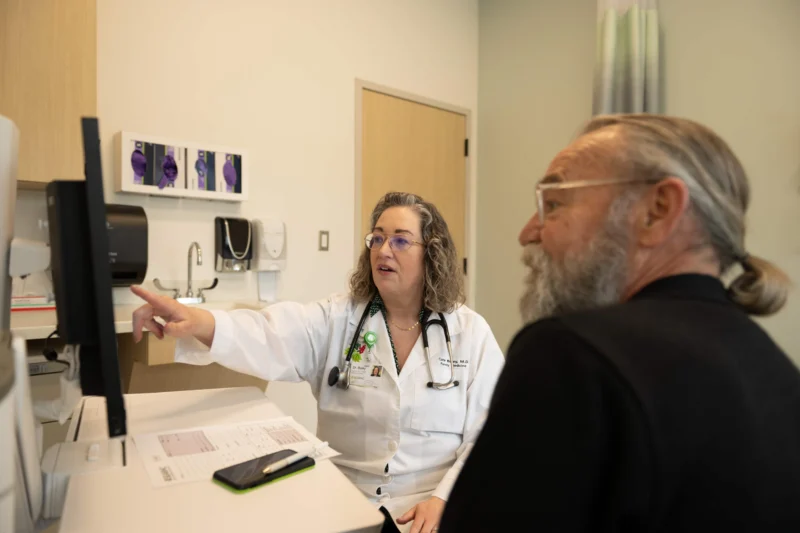
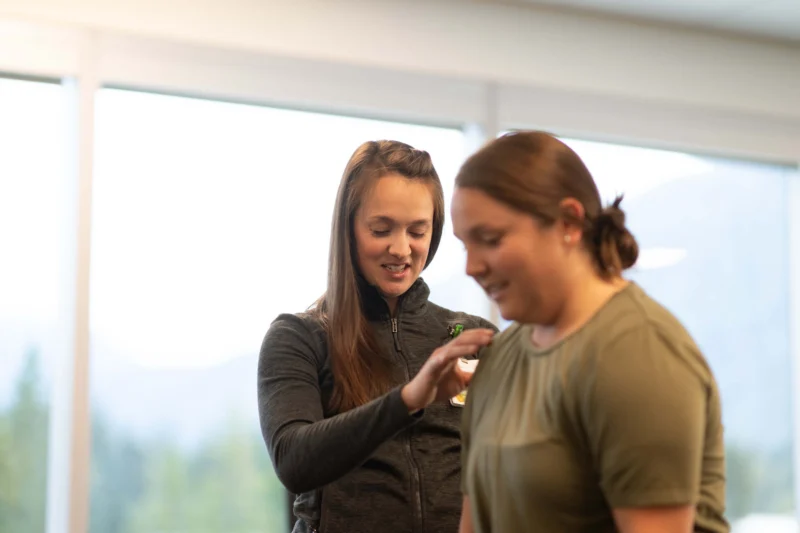
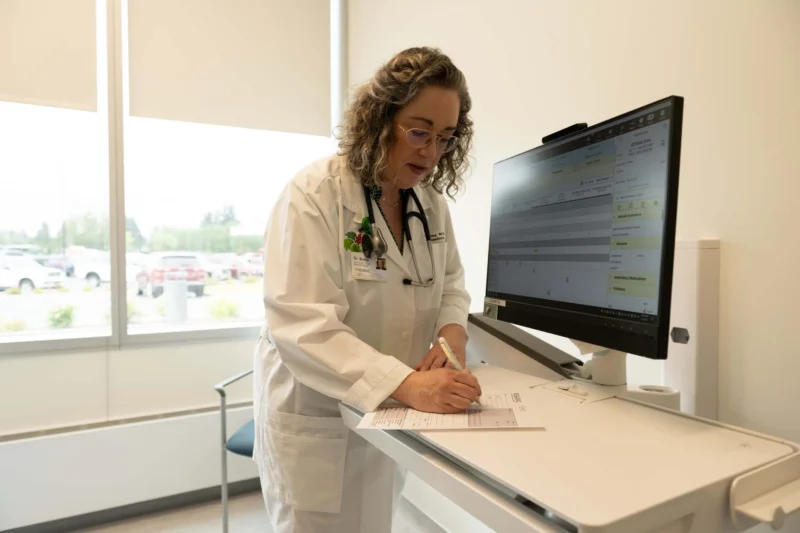
Colorectal cancer often develops without symptoms, making regular screenings critical for early detection. Through screening, precancerous polyps or early-stage cancers can be identified and addressed before they become more serious. SEARHC provides high-quality screening options to ensure the health and well-being of our communities.
- Tailored to you. We offer screening options suited to different needs, from colonoscopies to convenient at-home testing with the I-FIT test.
- Preventive care saves lives. Early detection increases treatment success rates and reduces cancer-related deaths. Regular screening can reduce the risk of developing colorectal cancer by 68%.¹
- Colorectal cancer disproportionately affects Alaska Native communities. Alaska Natives have the highest colorectal cancer incidence rates in the world, highlighting the importance of early and consistent screening.¹
Colorectal cancer is highly treatable when caught early . Screening can prevent up to 60% of colorectal cancer deaths by detecting precancerous polyps or early-stage cancers before they progress.² Learn more about your colorectal screening options.
¹ Haverkamp, D., Redwood, D., Roik, E., Vindigni, S., & Thomas, T. (2023). Elevated colorectal cancer incidence among American Indian/Alaska Native persons in Alaska compared to other populations worldwide. International Journal of Circumpolar Health . ² American Cancer Society. (2022). Colorectal Cancer Facts & Figures 2020-2022.